Torn between homesickness and an uncertain future – Nordic youth in rural areas share the same worries
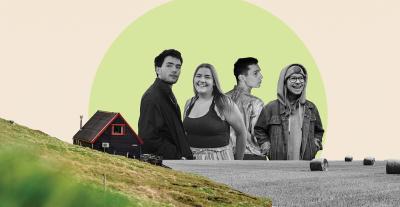
What is it like to grow up in areas where services are disappearing and the future is uncertain? A large-scale research project is exploring Nordic youth's conflicted relationship with their remote hometowns.
A cross-national study in four Nordic Countries has been following young people in rural areas for some time to compare their experiences. The project is part of the Future Challenges in the Nordics research programme.
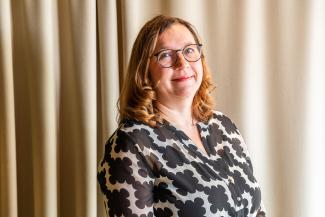
– The aim is to give a voice to young people living in rural areas. We want to hear what they think about their lives and the day-to-day choices they make. Much more research has been done among city dwellers, so this study clearly focuses on young people in small towns and villages, says Kaisa Vehkalahti, project manager and senior lecturer.
Research data was collected in Finland, Sweden, Norway and Denmark. The interviews have been conducted over a long period of time and the research team has also organised workshops, where the young people involved have been asked to imagine what their home region will look like in 50 years.
– The Nordic young people's experiences of living in remote areas are surprisingly similar, even though rural Finland is different from, for example, Denmark, which is a much more densely populated country. Many share the feeling that there is a negative stigma surrounding their home region, says Vehkalahti.
In Sweden, there are currently expectations of a boost for rural areas due to so-called green growth. But these areas also face the same challenges as elsewhere, such as the withdrawal of services and long journeys to school.
The results of the survey clearly show that the relationship between urban and rural areas is complex and that the lives of young people in rural areas are fragmented between different locations. Decisions to stay or move are complex and influenced by different factors at different times.
– The results of this research are worth considering, for example, when making decisions about rural communication networks or educational opportunities. They have a major impact on how young people view their present and future in their hometown, says Vehkalahti.
For more information, please contact
Kaisa Vehkalahti
Lecturer, Department of History and Ethnology
University of Jyväskylä
kaisa.r.vehkalahti@jyu.fi
+358 50 4660826